

What Mexican Día de los Muertos Can Teach Us About Keeping Love Alive
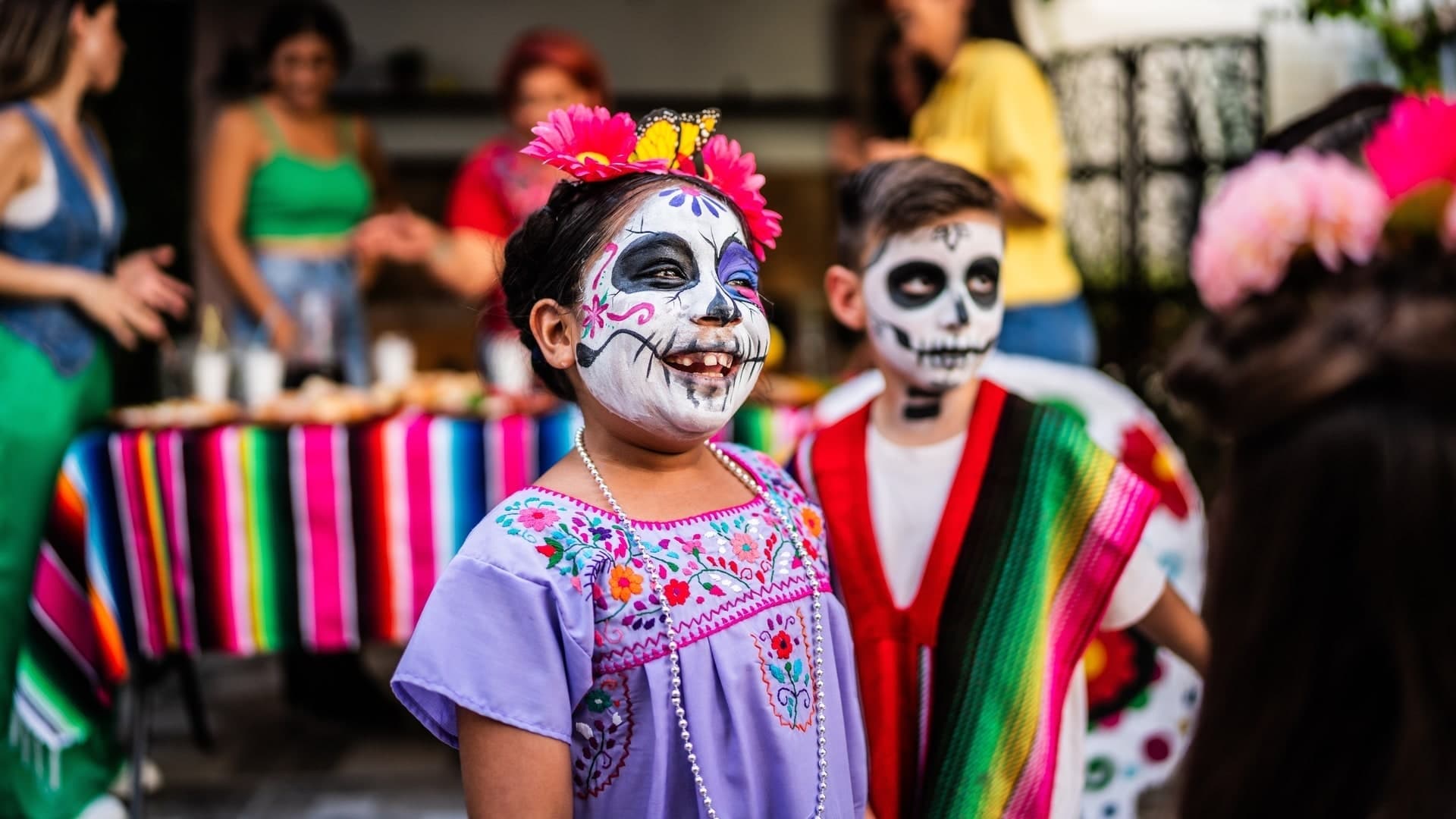
Most of us are taught to think of death as separation — a door that closes, a silence that follows. We honor the dead, yes, but often in whispers, in formal clothes, in a single afternoon before returning to ordinary life as though love must shrink to fit inside a program.
What if remembering could be colorful, communal, and even joyful?
Mexican Día de los Muertos traditions, rooted in indigenous memory and Catholic calendar, offer something radical in its warmth: a multi-day invitation to build altars, tell stories, share food, and laugh with the dead as honored guests. You don't need to be Mexican or Catholic to be moved by that — or to draw from it when imagining a farewell that keeps love visible, not hidden.
Here are some of the most beautiful ideas from Día de los Muertos, and how you might make them your own.
1. Build an Altar That Tells a Whole Life
Ofrendas — altars layered with photographs, candles, marigolds, food, and objects the person loved — are not museum displays. They are conversations. Each item says: I know who you were. I remember what made you laugh. Your preferences still matter here.
Many Western memorials center a single portrait and a floral arrangement. Beautiful, but sometimes generic.
To borrow: Create a memory table with specific objects — a fishing lure, a knitting needle, a concert ticket, a team scarf. When pre-planning, list items you'd like displayed and stories behind them. Ask family to add their own contributions. A service becomes personal when the evidence of a life fills the room.
2. Use Color and Beauty Without Apology
Marigolds, papel picado, painted skulls — Día de los Muertos is visually unmistakable. Death is not dressed only in black. Beauty is not denial of loss; it can be defiance against despair.
Somber aesthetics have their place. But some lives were loud, bright, playful, irreverent. A ceremony should have room for that truth.
To borrow: Choose colors, flowers, and décor that reflect the person — not default funeral palette unless they would have chosen it themselves. If someone loved sunflowers, let sunflowers lead. If they never wore black, don't drape their memory in it. Pre-planners can specify visual tone as clearly as music or readings.